
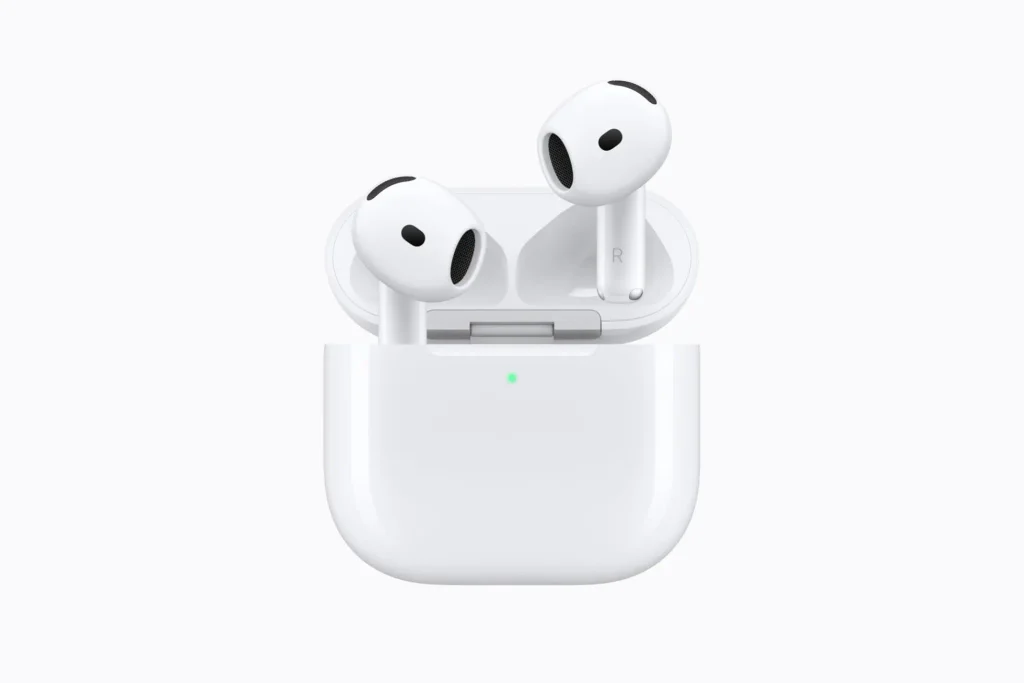
Apple has introduced AirPods 5, adding Live Translation alongside improved audio, Active Noise Cancellation, and Siri AI features. The new AirPods start at $129 in the U.S., with availability beginning September 18, 2026.
Apple says Live Translation allows users to communicate across languages using AirPods and an Apple Intelligence-enabled iPhone. Users can hear translated speech through their AirPods while the iPhone can display the translated conversation.
This is significant because translation is moving into a product category that consumers already use every day.
Previously, users who specifically wanted dedicated translation functionality might purchase a handheld translator. Now, translation can become an additional capability inside earbuds, smartphones, smart glasses, and other personal devices.
However, dedicated translation devices still have an important advantage: they can be designed around multilingual communication rather than audio entertainment.
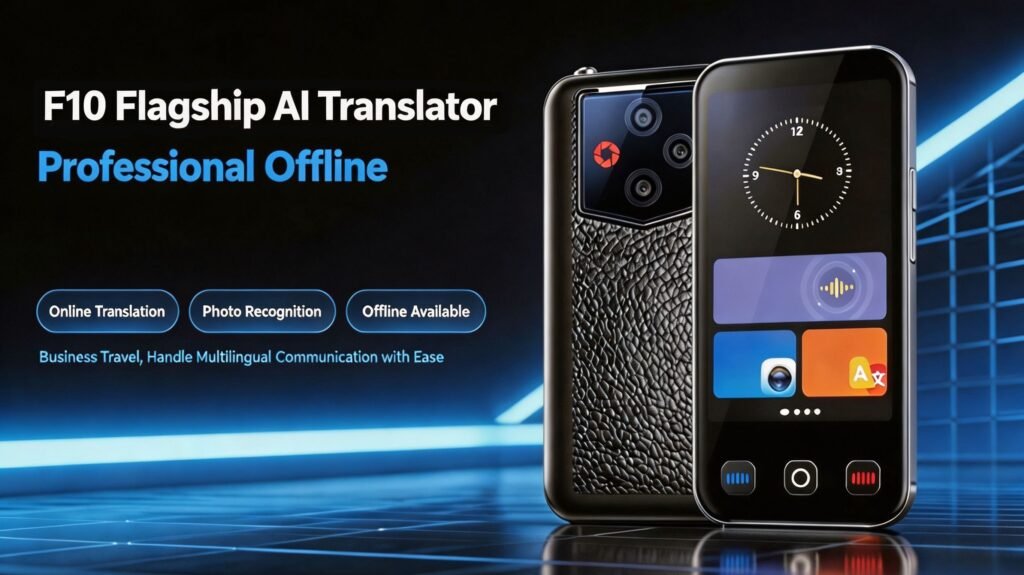
For example, F10 combines a high-definition screen with real-time translation, bilingual subtitles, recording translation, photo translation, two-way interpretation, offline translation, world time, and currency conversion.
F80 focuses on connectivity and broader communication scenarios, including SIM-card support, video-call translation, photo translation, recording translation, and 150+ online languages.
Apple’s move therefore does not necessarily eliminate dedicated translation devices. Instead, it expands consumer awareness of real-time translation.
For translation-device brands, this creates both competition and opportunity: translation is becoming a mainstream AI feature, while dedicated devices can compete through deeper communication functions and purpose-built experiences.